
What defines the Major Arcana? These 22 cards form the backbone of tarot decks, representing vital life transitions and universal themes. With each card linked to distinct cosmic forces and profound psychic archetypes, the Major Arcana serves as a tool for unlocking personal and spiritual insights. This article offers an in-depth look at how these powerful symbols guide us in interpreting experiences and navigating life’s pivotal moments.
Key Takeaways
- The Major Arcana originated in 15th century Italy, transitioning from elite playthings to mystical divination tools by the 18th century, under the influence of occultists like Etteilla.
- Each of the 22 cards of the Major Arcana represents life’s significant themes and stages, guiding us through a journey of personal and spiritual growth, from the Fool’s innocence to the World’s fulfillment.
- Integrating the Major Arcana in tarot readings not only offers insight into broad life themes but, when combined with the Minor Arcana, provides a more detailed picture of the querent’s situation.
The Origins of the Major Arcana
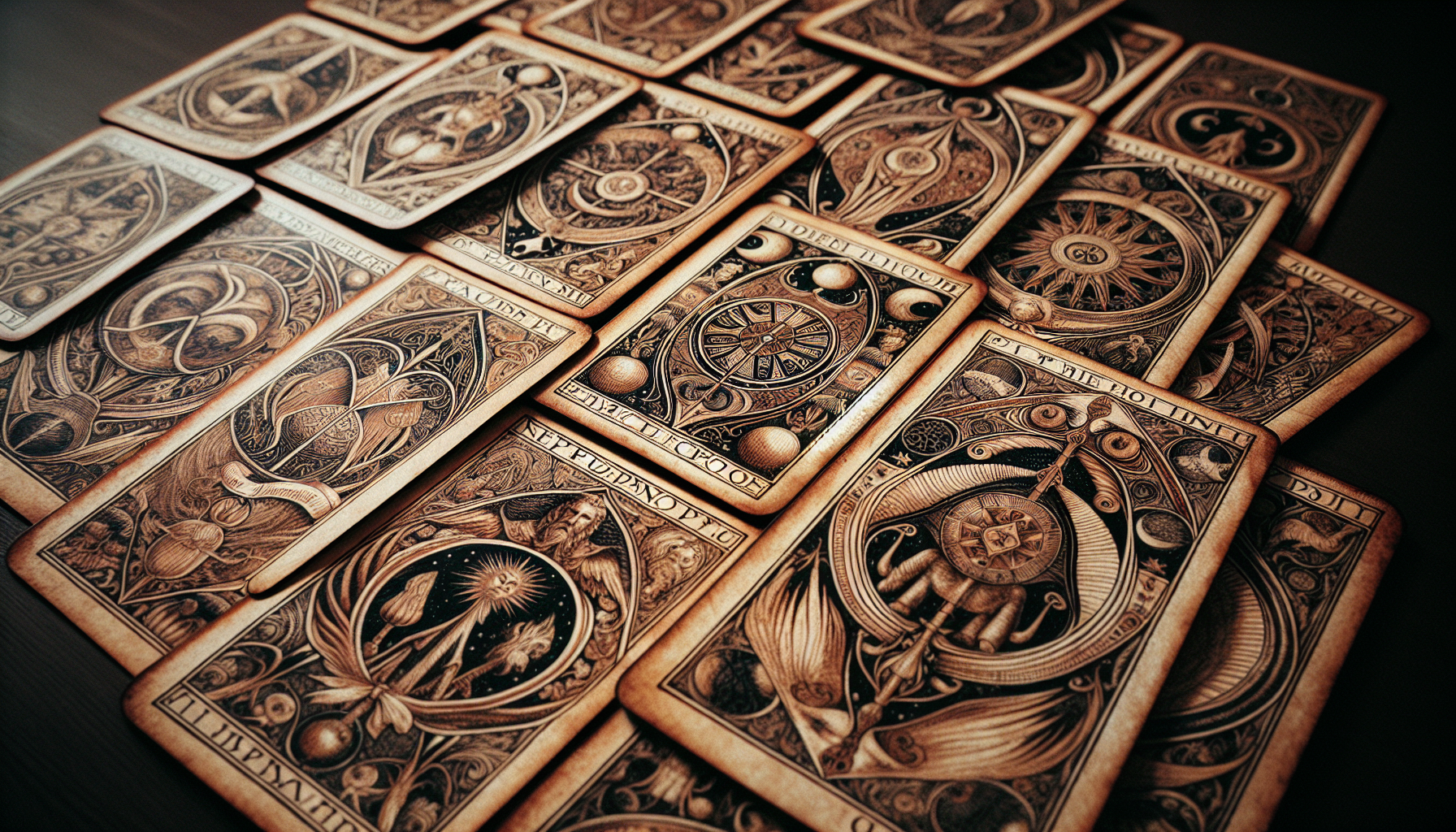
The story of the Major Arcana begins in the mid-15th century Italy, where the earliest tarot cards emerged. These were not tools of divination but rather fancy playthings for the elite. The Visconti-Sforza, one of the earliest tarot decks, was a handcrafted item, commissioned by wealthy families as a testament to their social status and inspired by Latin artistic traditions.
Fast forward a few centuries to the late 18th century, the tarot took on a new role – one steeped in the occult and divinatory practices. French occultist Etteilla was instrumental in this transformation, penning a comprehensive guide to tarot card reading that sparked a new interest in the mystical potential of these cards.
Over time, the sequence of the Major Arcana cards has evolved, influenced by various traditions for symbolic or doctrinal reasons. This fluidity adds to the mystery and fascination surrounding the Major Arcana, making every exploration a unique journey into the unknown.
The Structure of the Major Arcana
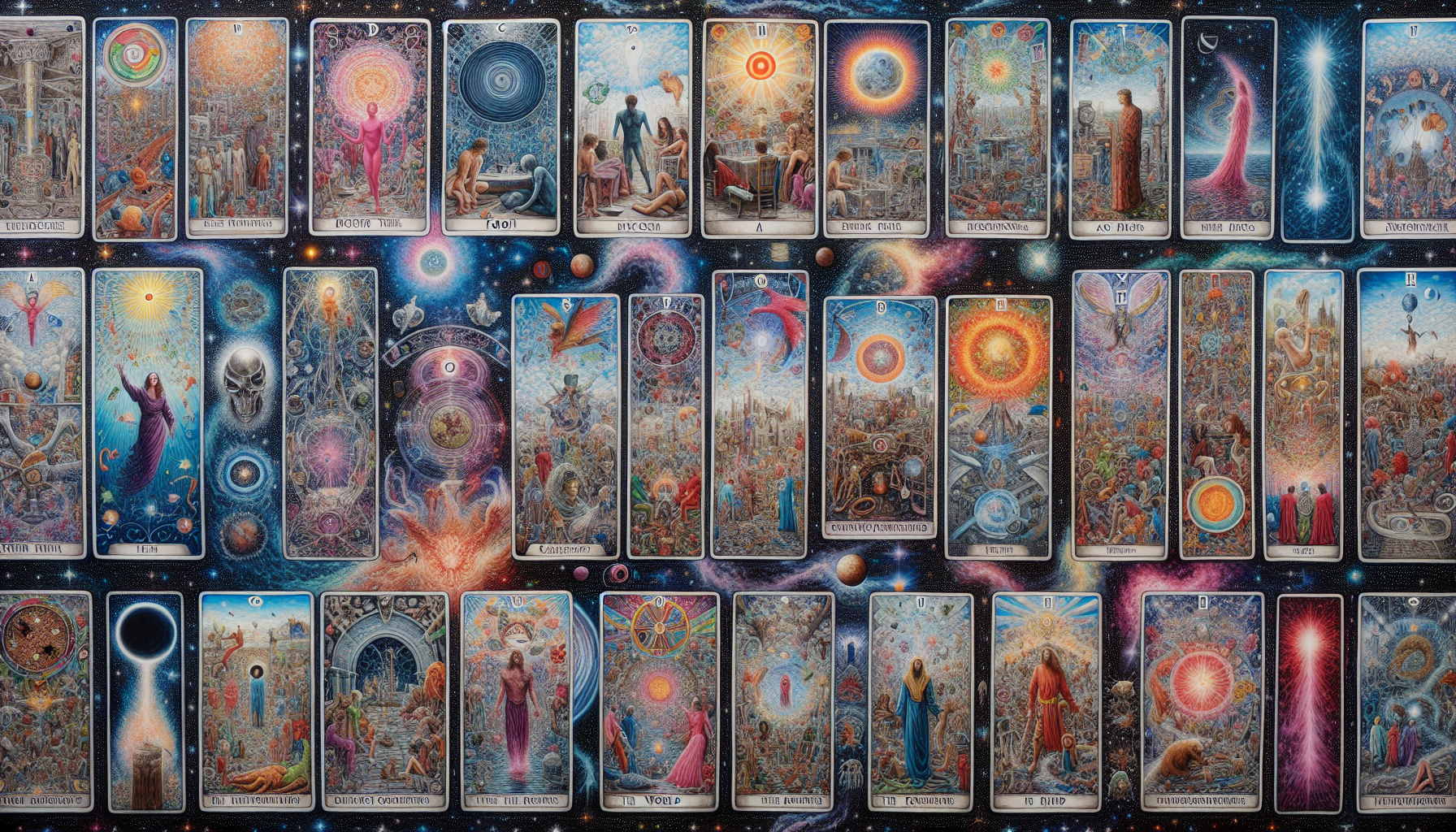
The Major Arcana is one of the two divisions in a tarot deck, with the other being the Minor Arcana. This division is not a remnant of traditional card games but rather a product of tarot’s application in occult practices.
The Major Arcana consists of 22 sequentially numbered cards, starting with the Fool, the card often unnumbered or represented as card 0. Each card displays a blend of imagery, names, and numbers, and typically include human figures with symbolic elements. The Major Arcana cards differ significantly from the 56 Minor Arcana cards, serving as permanent trumps in tarot card games and emphasizing major life themes.
The 22 Cards
The journey through the Major Arcana begins with the Fool card, signifying the innocence and spontaneity of starting life’s path. As the Fool embarks on his journey, he encounters figures such as the Magician and the High Priestess, symbolizing the discovery of personal power and mysteries of the self.
The journey continues through various archetypes and life experiences, from the nurturing Empress and authoritative Emperor to the transformative Hanged Man and Death cards, as we play our roles in the grand scheme of existence.
Ultimately, the journey culminates with the World card, marking the Fool’s arrival at a state of fulfillment and engagement with life’s infinite potential, embracing their destiny. This is a significant milestone, as the first card in the journey was the beginning of the Fool’s path towards self-discovery.
Tarot Archetypes and Their Significance
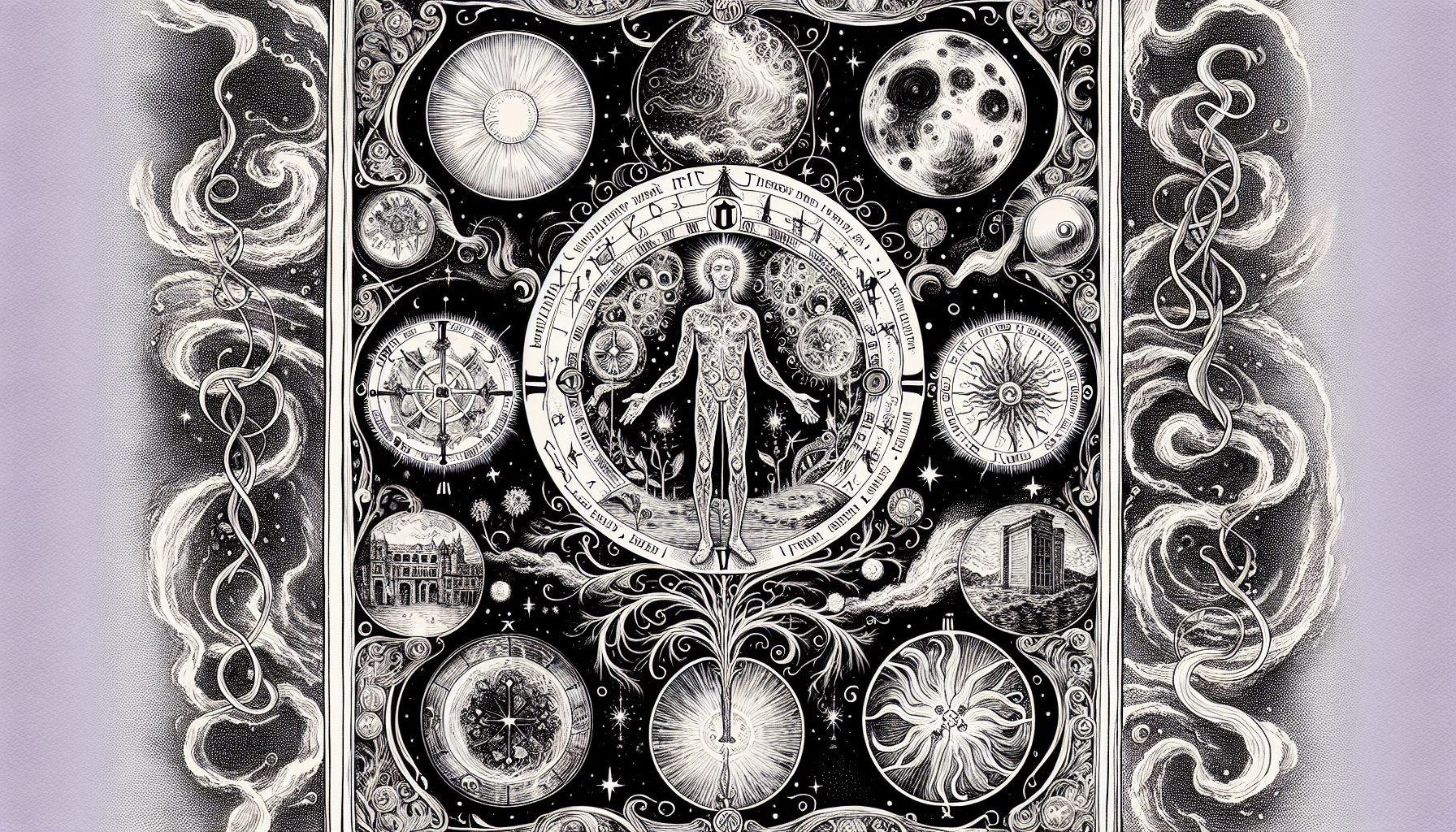
The Major Arcana is a rich tapestry of archetypal imagery, each card symbolizing important life themes and forces. The Fool, for instance, represents the naive traveler, while the Magician stands for mastery. These archetypes provide a mirror into our psyche, reflecting our life experiences and lessons.
These archetypes, according to Carl Jung, are primal patterns of thought entrenched in the human subconscious. They include figures such as the hero, the maiden, and the wise old man. These universal symbols resonate deeply within us, connecting our personal experiences to collective human experiences.
Thus, the Major Arcana cards embody these archetypal images, offering insights into human consciousness and personal growth. They reflect vital experiences and lessons, such as the significance of intuition and the process of inner transformation. In this way, the Tarot serves as a tool for self-discovery and introspection.
Astrological and Elemental Associations
One of the fascinating aspects of the tarot is its intricate connection with astrology. Every Major Arcana card is linked to a specific Zodiac sign, a planet, or the moon, enhancing the card’s interpretation with an astrological dimension. For example, the Emperor card is associated with the Zodiac sign Aries and the planet Mars. Similarly, the Lovers card is linked to the Zodiac sign Gemini, with Mercury as its ruling planet.
These astrological associations add a deeper layer to the interpretation of the tarot cards within readings. Even the Wheel of Fortune, associated with the planet Jupiter, can represent the Zodiac signs Aquarius, Leo, Scorpio, and Taurus. Tarot practitioners and astrologers often apply additional astrological associations to the Major Arcana cards, offering further insight and nuance to readings.
Interpreting Major Arcana Cards in Readings
Mastering the meanings of individual Major Arcana cards is a cornerstone of conducting insightful tarot readings. Each card, from the Fool to the World, encapsulates a range of human experiences, representing everything from:
- new beginnings
- personal growth
- challenges and obstacles
- love and relationships
- spiritual enlightenment
- success and achievement
- endings and transitions
By understanding the symbolism and interpretation of each tarot card, you can unlock deeper insights and guidance in your tarot cards readings.
However, interpreting Major Arcana cards goes beyond understanding individual card meanings. It requires seeing them in relation to one another within a spread, as they can significantly influence and alter each other’s meanings. Recognizing how these cards interplay in a reading helps to interpret the overarching message and the life trajectory they present.
In this process, intuition plays a pivotal role, guiding the reader to personalize interpretations based on their instinctive response to a card’s imagery and symbolism, ultimately deciphering its meaning.
Personal Growth and Spiritual Lessons
The Tarot is not just a tool for divination, but also a pathway to personal growth and spiritual lessons. One way to foster this growth is by keeping a tarot journal. Here, readers can develop personal connections to the imagery of each card, adding a layer of personal relevance to the broader archetypal meanings.
Reflecting daily on personal feelings and experiences associated with each card allows for deeper, more meaningful insights to emerge. Over time, readers can create their own unique ‘dictionary’ of card meanings, enhancing intuitive readings beyond standard interpretations. This practice transforms the Tarot from a mere divination tool to a personal guide for self-discovery and personal growth.
The Journey Through the Major Arcana
The journey through the Major Arcana, often referred to as the Fool’s Journey, is a spiritual journey of the soul. It’s a path of self-discovery and personal growth, guided by the symbolic lessons of each card.
Each card in the Major Arcana represents a stage in this journey, providing insights into various phases of life. From the innocence of the Fool to the fulfillment of the World card, the Major Arcana guides individuals on a transformative path, offering wisdom and insights at each step.
This journey is not linear but cyclical. Just as in life, we often revisit lessons, gaining deeper insights each time. The Major Arcana, in this sense, serves as a roadmap, guiding us through the cyclical nature of our personal growth and evolution.
Combining Major and Minor Arcana in Readings
Combining Major and Minor Arcana cards in tarot readings adds depth and nuance to the insights gained. Understanding the numerical meanings from 1 to 10 and the basic significance of the suits is foundational to integrating Major and Minor Arcana cards in tarot readings.
A reading that involves both Major and Minor Arcana cards involves separating the deck into two stacks and selecting a card from each stack for every position. This approach provides insights that encompass both overarching themes and specific details, giving a more comprehensive view of the querent’s situation.
Tarot Spreads Featuring the Major Arcana
While combining Major and Minor Arcana can provide detailed insights, there are times when focusing solely on the Major Arcana is beneficial. Tarot spreads exclusively using Major Arcana cards provide profound insights into significant life events and personal transformation.
There are several spreads tailored for exploring major decisions and life situations using only Major Arcana cards. Some examples include:
- Oswald Wirth’s Major Arcana Tarot Spread, which employs a five-card-cross layout
- The Circle of Eight spread, which includes a Significator card for the present moment and seven surrounding cards reflecting different life energies
- The 22 Card and Major Arcana Spreads, which provide a comprehensive overview of the querent’s journey by considering every Major Arcana card.
These spreads can offer valuable insights and guidance when facing important life choices. Find out the exact steps for these spreads at the bottom of this page.
The Art and Imagery of the Major Arcana
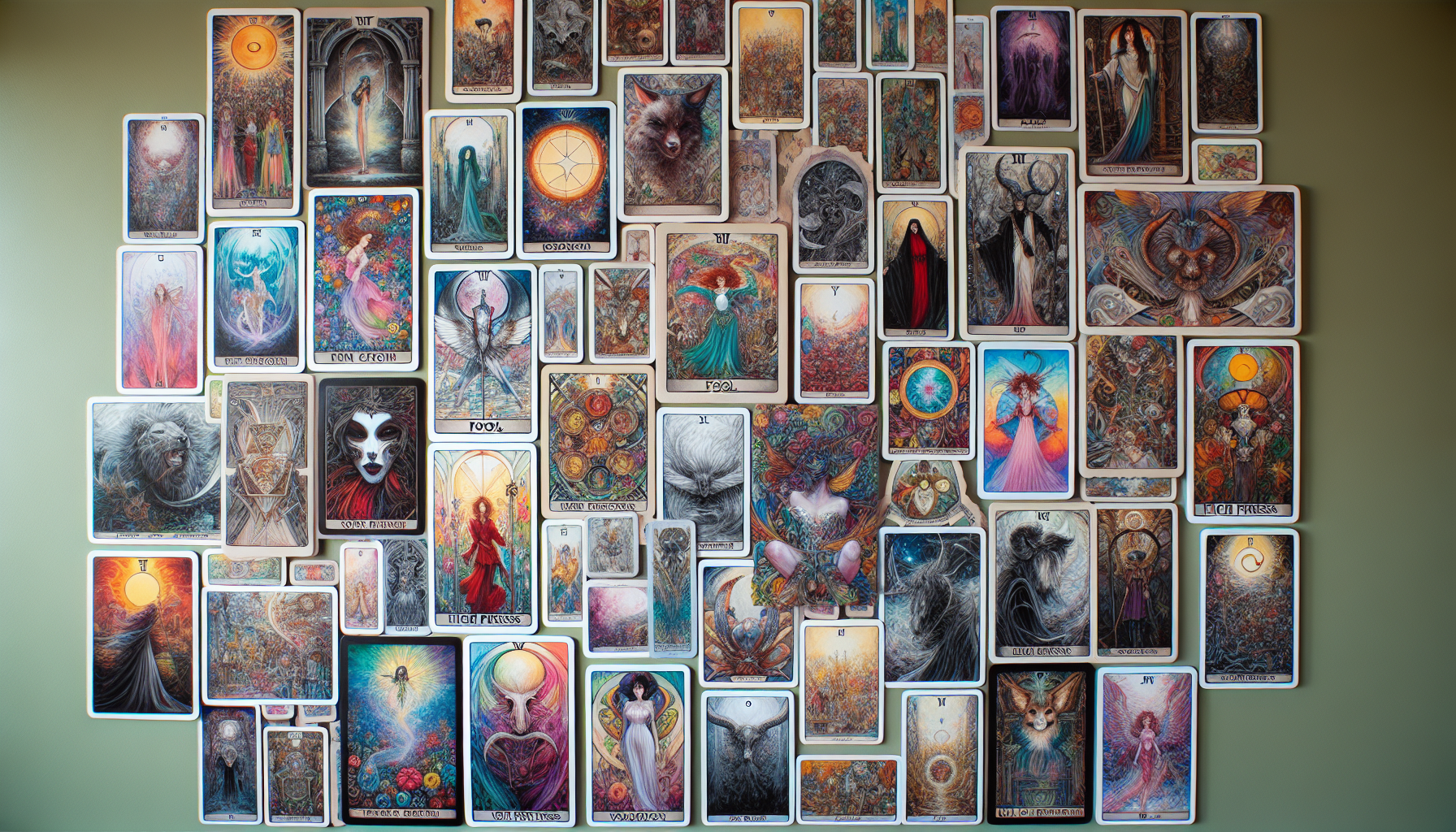
The art and imagery of the Major Arcana vary across tarot decks, with each deck’s distinct artistic style influencing the interpretation of the tarot cards. Some examples of tarot decks with unique artistic styles include:
- The vibrant scenes of the Bosch Tarot
- The surrealistic imagery of the Dali Universal Tarot
- The ethereal and dreamlike illustrations of the Moonchild Tarot
Each deck, with its four suits, brings a unique flavor to the archetypal themes of the Major Arcana.
Artworks from different periods are also adapted to tarot symbology in various decks. Some examples include:
- The Golden Tarot of Klimt, which is enlivened with gold metallic details and ornamental figures drawn from Gustav Klimt’s works
- The Bruegel Tarot, which integrates works from the Flemish era
- The Pre-Raphaelite Tarot, which incorporates works from the Pre-Raphaelite era
- The Touchstone Tarot, which features works from the Renaissance era
Even modern reinterpretations make their mark on the Major Arcana. The Tarot of the World in Colours, for example, distills tarot symbolism into the graffiti-inspired style of Keith Haring. Regardless of the artistic style, the use of Roman numerals, names, and pure pictorial imagery on Major Arcana cards is key in guiding interpretation, enhancing the narratives and archetypal themes represented by the cards.
Summary
In this exploration of the Major Arcana, we’ve delved into the origins, structure, and symbolism of these powerful cards. We’ve discovered the significance of the archetypal imagery, astrological associations, and the profound insights that tarot readings can offer. We’ve also explored the personal growth and spiritual lessons that can be derived from the tarot, and how combining Major and Minor Arcana can provide nuanced insights. Finally, we’ve appreciated the diverse art and imagery of the Major Arcana across various tarot decks. As we conclude this journey, remember that the exploration of the Major Arcana is a pathway to self-discovery and personal growth, a journey that mirrors the cyclical journey of life itself.
Frequently Asked Questions
What are the 12 Major Arcana?
The 12 Major Arcana include the Magician, Empress, Emperor, Lovers, Chariot, Justice, Hermit, Wheel of Fortune, Strength, Hanged Man, Death, and Devil. They are a vital part of tarot and hold deep symbolism and meaning.
What does Major Arcana represent?
The Major Arcana represents universal human experiences such as challenging authority, falling in love, and unexpected bad news – it’s like a journey through life’s ups and downs!
What is the significance of the Fool in the Major Arcana?
The Fool in the Major Arcana signifies the beginning of a new journey, representing innocence and the excitement of starting life’s path. Embrace the spontaneity and new beginnings the Fool represents!
How does astrology relate to the Major Arcana in Tarot?
Astrology relates to the Major Arcana in Tarot through the connection of each card to a specific Zodiac sign or planet, adding a rich astrological layer to their interpretation!
What is the role of intuition in Tarot readings?
Trust your intuition – it’s the key to personalizing interpretations based on your instinctive response to the cards’ symbolism. Embrace the role of intuition in Tarot readings!
Looking to discover how these archetypes play out in your life?
Click here to get your tarot cards read and uncover the magic the universe has in store for you!

 The Empress Tarot
5 thoughts on “Exploring the Symbolism and Meaning of the Major Arcana in Tarot”